Myth vs Fact: Green Procurement in Environmental Engineering
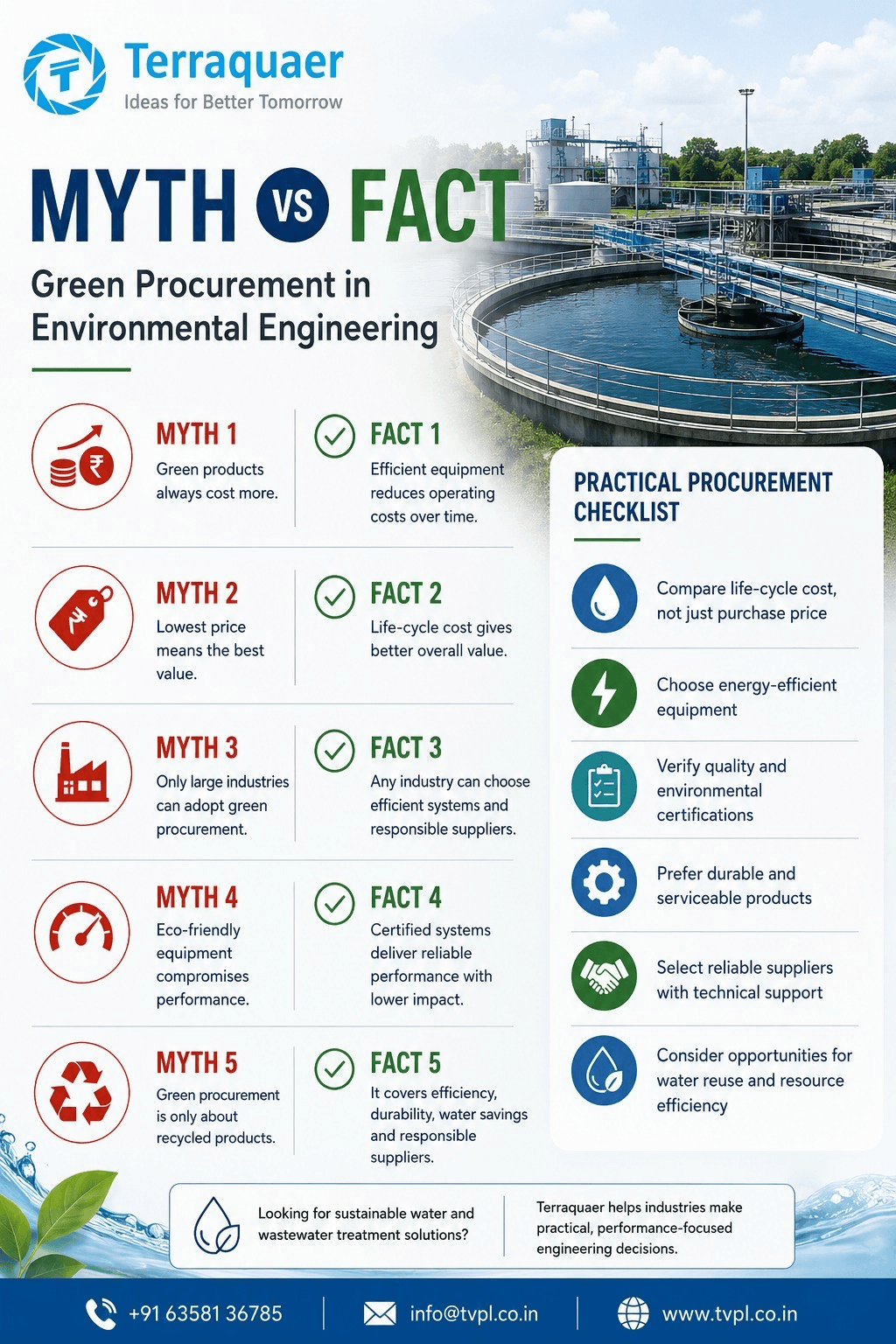
In today's industrial landscape, sustainability begins long before a treatment plant is commissioned—it starts with procurement decisions. Green procurement is the practice of selecting equipment, materials, and suppliers based not only on cost but also on efficiency, durability, environmental impact, and long-term performance.
Despite its growing importance, several misconceptions still prevent industries from adopting greener procurement practices. Let's separate the myths from the facts.
Myth 1: Green Products Always Cost More
Fact: While some sustainable products may have a higher initial purchase price, they often reduce energy consumption, maintenance expenses, and replacement frequency. Evaluating the total life-cycle cost provides a clearer picture of long-term value.
Myth 2: Lowest Price Means the Best Value
Fact: The lowest purchase price does not always translate into the lowest operating cost. Equipment that consumes less energy and requires minimal maintenance can significantly reduce overall project expenses.
Myth 3: Green Procurement Is Only for Large Industries
Fact: Sustainable procurement practices can benefit organizations of all sizes. Whether it's selecting energy-efficient pumps, reliable treatment systems, or durable process equipment, every industry can make environmentally responsible purchasing decisions.
Myth 4: Eco-Friendly Equipment Compromises Performance
Fact: Modern environmental engineering solutions are designed to deliver reliable performance while improving energy efficiency and reducing environmental impact. Choosing certified and proven equipment ensures both operational reliability and sustainability.
Myth 5: Green Procurement Means Buying Only Recycled Products
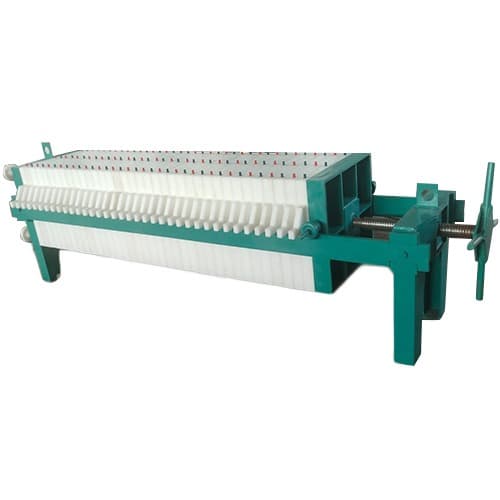
Fact: Green procurement is much broader than recycled materials. It includes selecting products that are energy-efficient, durable, easy to maintain, water-efficient, and supplied by responsible manufacturers.
A Practical Green Procurement Checklist
Before purchasing equipment for water and wastewater treatment projects, consider the following:
- Compare life-cycle cost instead of only the purchase price.
- Select energy-efficient equipment wherever practical.
- Verify quality and environmental certifications.
- Choose durable and serviceable products.
- Work with reliable suppliers that provide technical support.
- Consider opportunities for water reuse and resource efficiency.
Why Green Procurement Matters
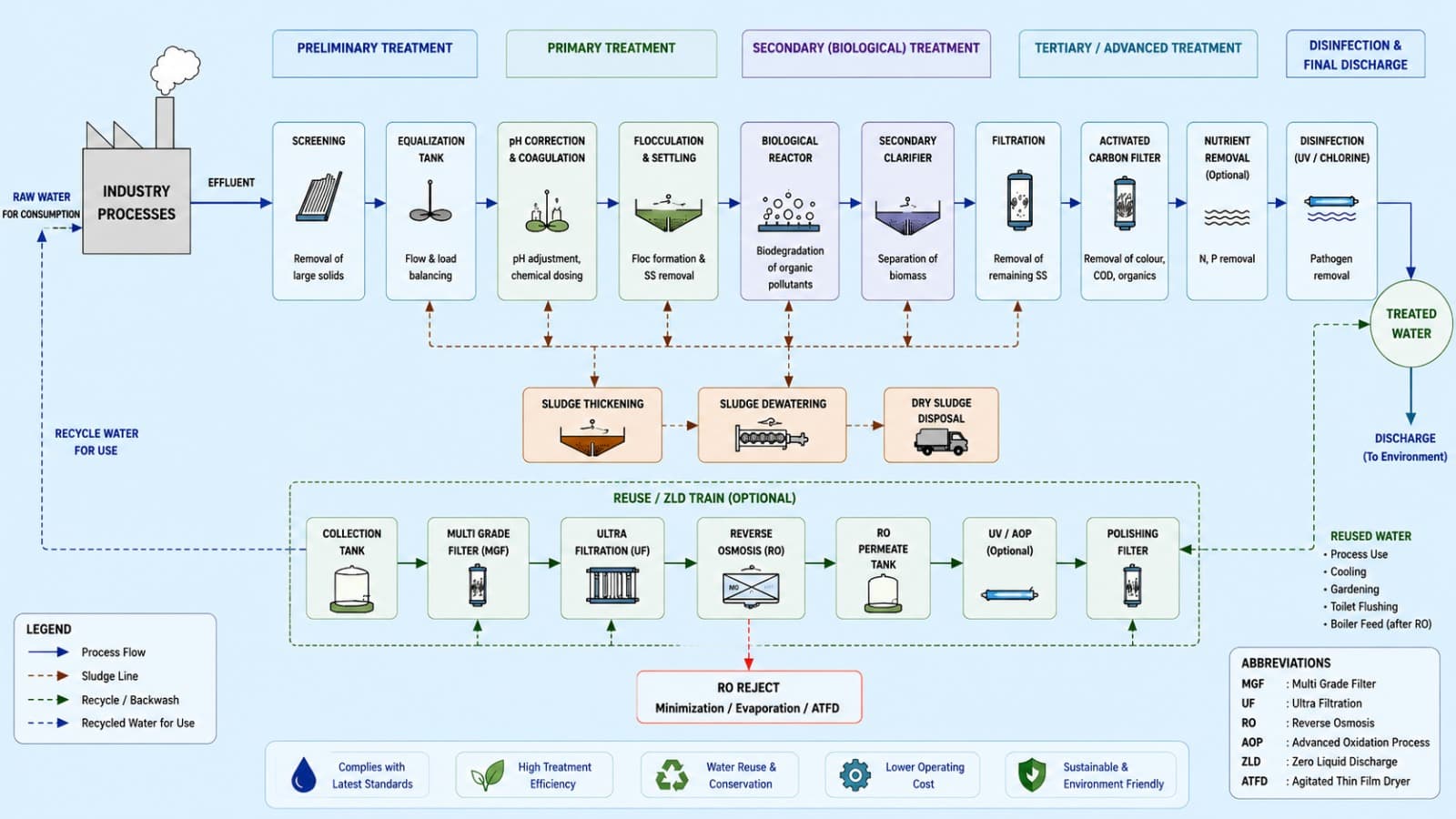
For industries operating Sewage Treatment Plants (STPs), Effluent Treatment Plants (ETPs), and Water Treatment Plants (WTPs), procurement decisions directly influence:
- Operating costs
- Energy consumption
- Equipment reliability
- Maintenance frequency
- Regulatory compliance
- Long-term environmental performance
A thoughtful procurement strategy helps improve plant efficiency while supporting sustainable industrial operations.
How Terraquaer Supports Sustainable Procurement
At Terraquaer, we believe that successful environmental projects begin with informed engineering decisions. From selecting treatment technologies to recommending efficient equipment and reliable process components, our approach focuses on delivering practical, performance-driven solutions that create long-term value for industries.
By considering life-cycle performance rather than just initial cost, businesses can improve operational efficiency, reduce resource consumption, and build more sustainable treatment systems.
Conclusion
Green procurement is not about spending more—it's about purchasing smarter. By choosing efficient equipment, evaluating life-cycle costs, and partnering with reliable suppliers, industries can achieve better operational performance while supporting their sustainability goals.
Smart procurement today leads to efficient and sustainable operations tomorrow.