Treated Wastewater Reuse in India: How STP and ETP Design Must Move Beyond Discharge Compliance
Treated wastewater reuse is becoming the new design brief
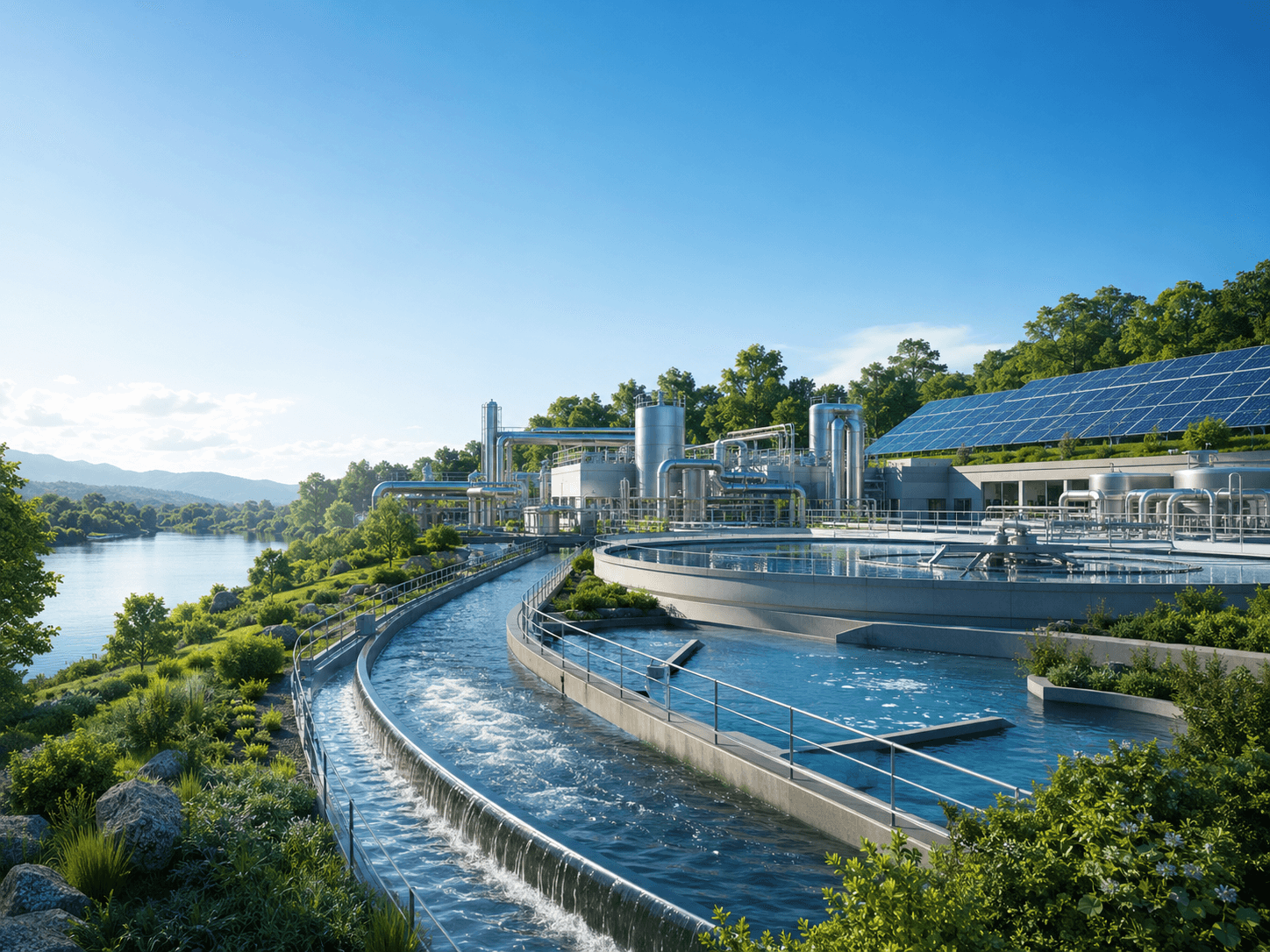
For many Indian industries and campuses, wastewater treatment can no longer be planned only around end-of-pipe consent limits. The stronger business case is reuse: reducing freshwater withdrawal, lowering tanker and borewell dependence, improving ESG performance, and keeping operations ready for future regulator expectations.
This shift is visible across policy, procurement and plant operations. State reuse policies are creating formal pathways for non-potable applications such as industrial process water, construction, flushing, landscaping and utilities. At the same time, water-intensive sectors such as textiles, chemicals, pharmaceuticals, food processing, hospitality, healthcare and commercial campuses are looking for treatment trains that recover usable water instead of treating every litre as waste.
Why discharge-only STP and ETP design falls short
A plant designed only to meet discharge norms may pass a consent check but still produce water that is too variable for cooling towers, toilet flushing, gardening, boiler makeup, washing, process reuse or RO feed. Reuse requires more stable performance across hydraulic load, organic load, pH swings, colour, oil and grease, suspended solids, pathogens and dissolved salts.
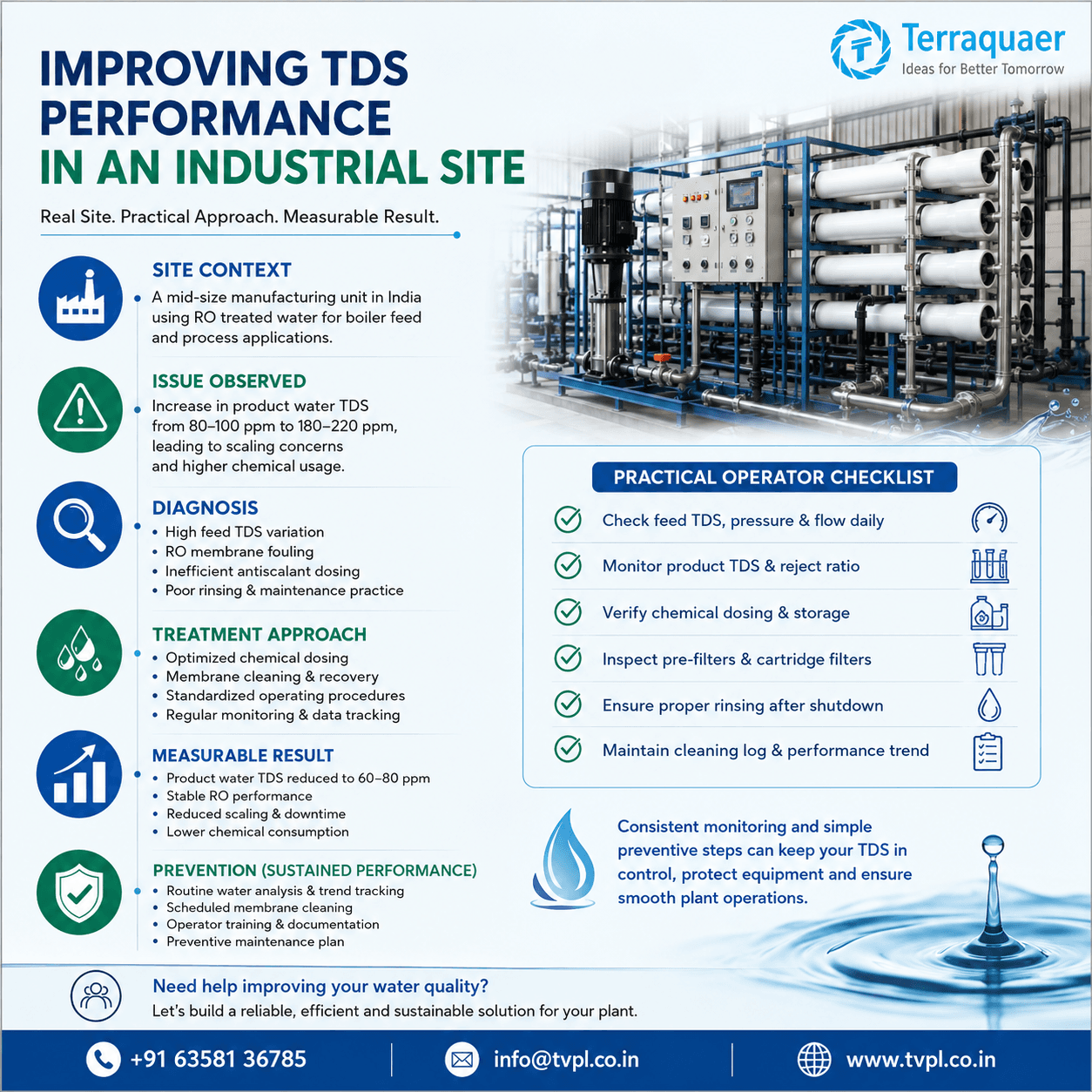
That is why reuse-ready STP and ETP systems need a stronger process chain: equalisation, primary treatment, biological treatment, clarification, pressure filtration, activated carbon filtration, micron filtration, disinfection and, where required, UF, RO, mixed bed polishing or Zero Liquid Discharge. The right configuration depends on source water quality, reuse target, available footprint, consent conditions and operator capability.
High-intent SEO topics buyers are already searching
The search demand around wastewater reuse is practical and project-led. Buyers are not only asking what treated wastewater reuse means; they are searching for STP plant for reuse, ETP plant for industrial water recycling, tertiary treatment plant, RO plant for treated effluent, UF plant for wastewater reuse, ZLD system for high TDS effluent, and O&M for STP and ETP compliance.
For Terraquaer, this creates a strong content cluster. Each insight should connect the buyer's immediate question to an engineered solution path: technology selection, reuse quality target, compliance documentation, lifecycle operating cost and long-term O&M stability.
Recommended treatment approach by reuse target
Gardening, flushing and non-critical washing usually need biological treatment, clarification, filtration and disinfection. Cooling tower makeup needs stronger control of hardness, TDS, silica and microbiological risk. Process reuse or RO feed may need UF, micron filtration, antiscalant dosing and RO. High TDS or restricted-discharge sites may need RO reject management, evaporator, crystallizer and Zero Liquid Discharge planning.
Why Terraquaer is a strong partner for reuse-led projects
Terraquaer is positioned for this shift because the company does not treat STP, ETP, RO, UF, filtration, dosing, automation, ZLD and O&M as isolated packages. Reuse performance depends on the whole system: correct inlet characterisation, practical process design, reliable equipment selection, statutory coordination, commissioning discipline and everyday operating support.
For new projects, Terraquaer can design reuse into the plant from day one. For running sites, Terraquaer can audit bottlenecks, upgrade tertiary treatment, add UF or RO, improve dosing control, integrate automation and strengthen O&M practices so treated water quality becomes predictable enough for real reuse.
Next step for plant owners
Before investing in new capacity, plant owners should map three things: current wastewater quality, realistic reuse applications and the quality target for each use. That simple exercise turns wastewater treatment from a compliance cost into a water-security asset. It also gives engineering teams a clear basis for selecting STP, ETP, tertiary treatment, RO, UF or ZLD in the right sequence.